A few of the companies we’ve worked with






Denver Charter Bus Pricing Breakdown
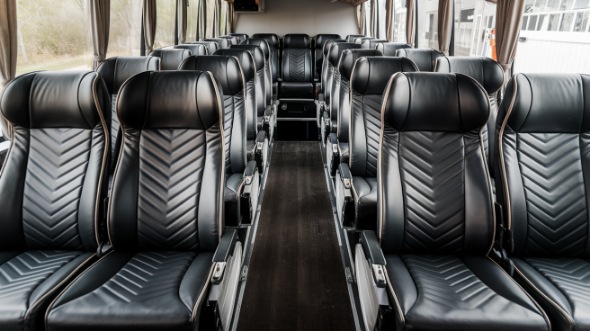
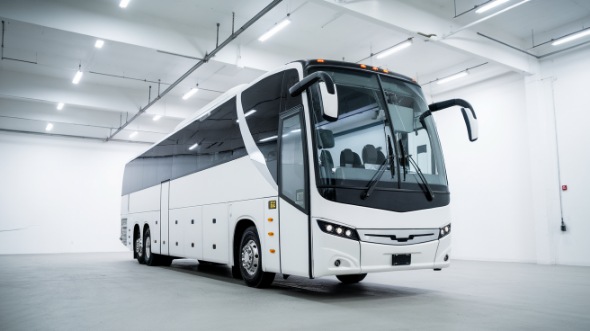
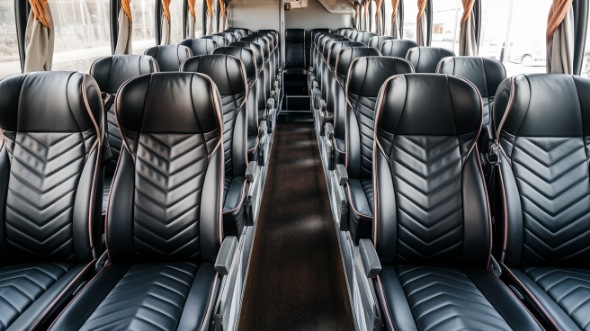
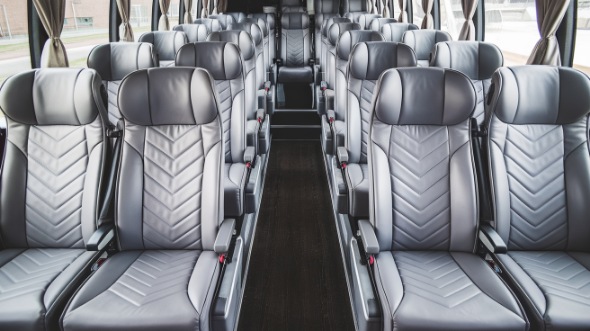
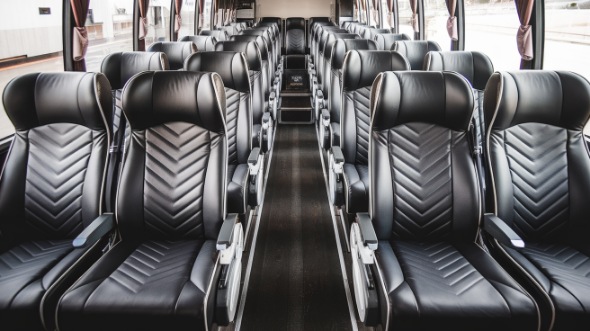
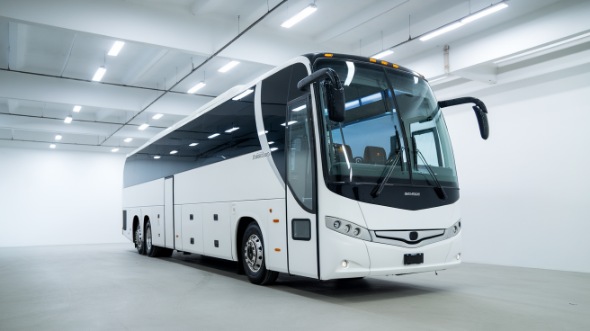
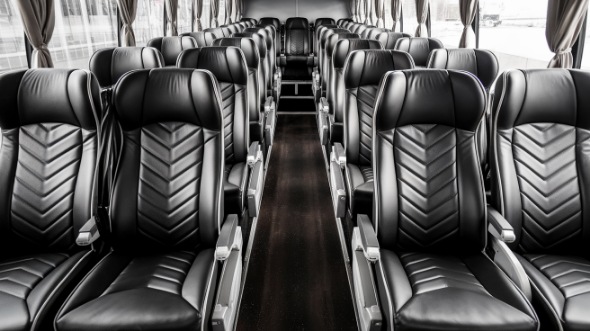
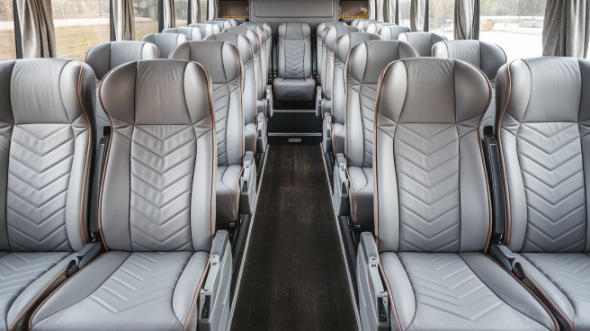
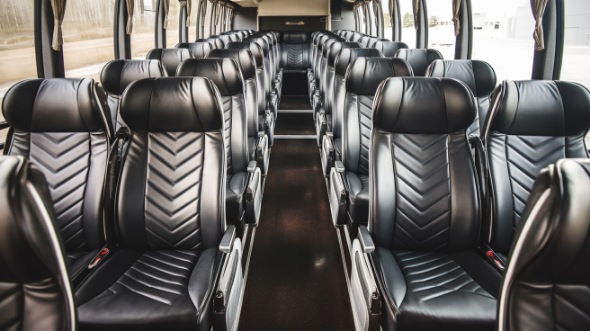
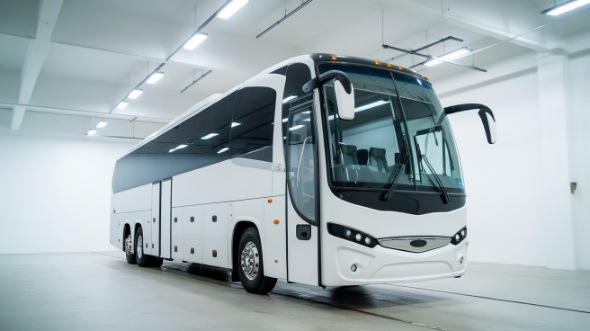
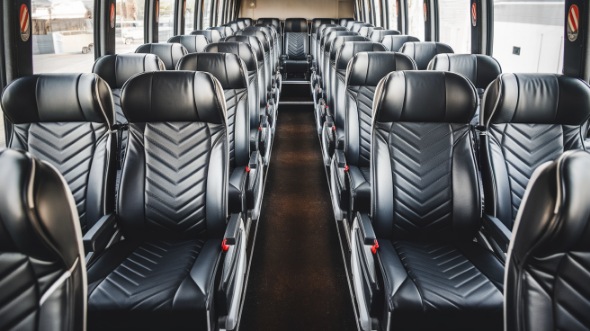
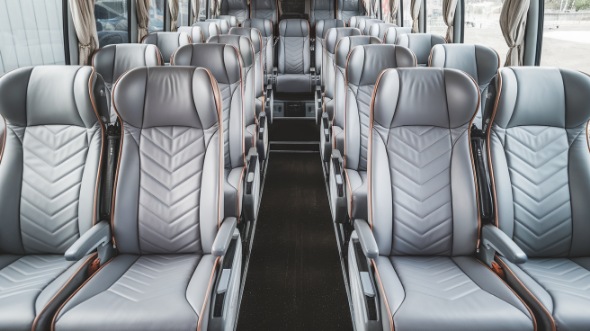
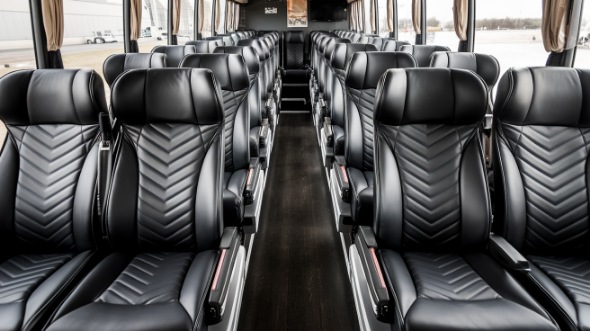
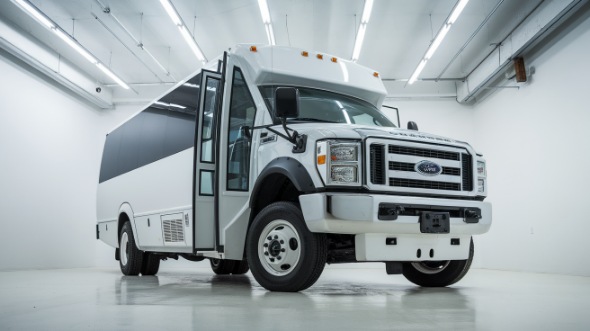
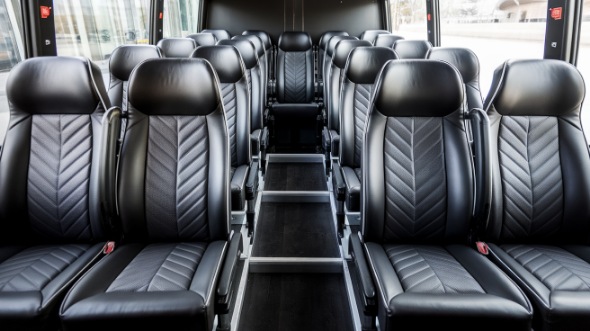
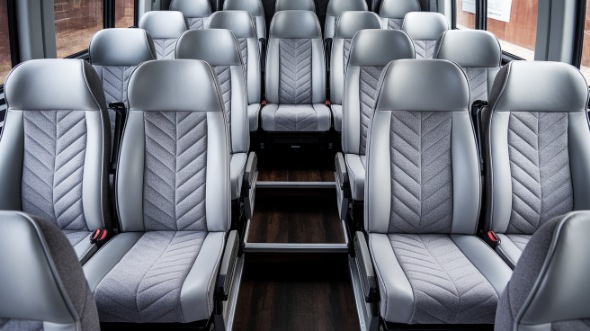
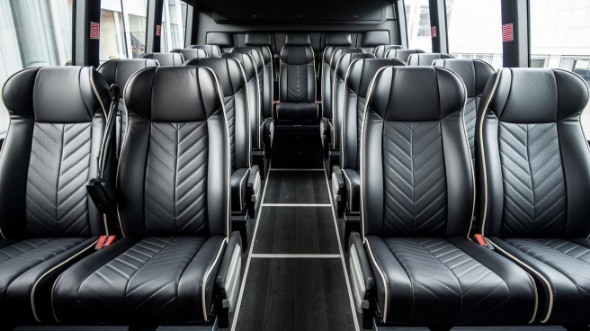
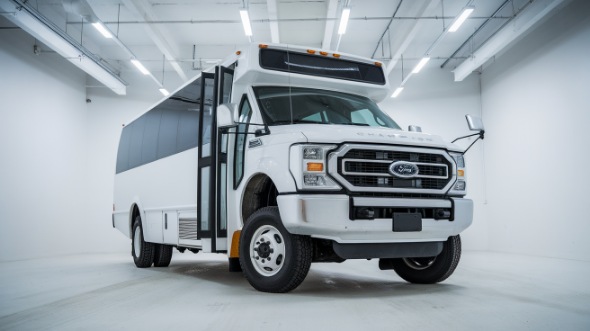
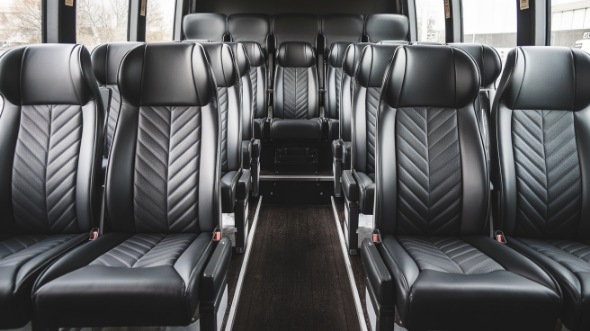
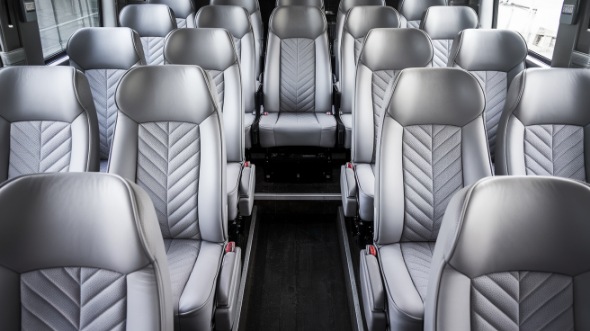
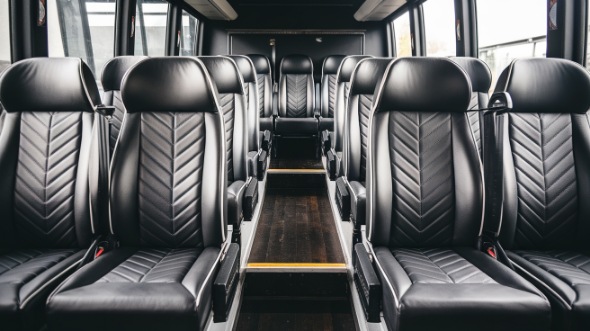
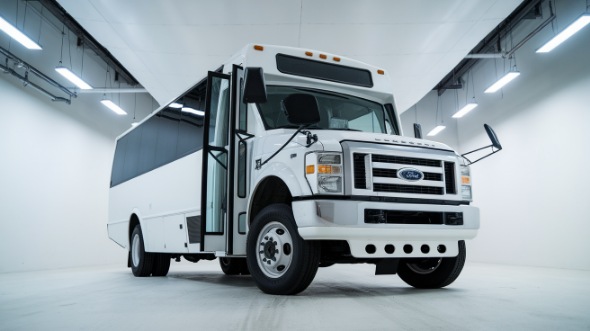
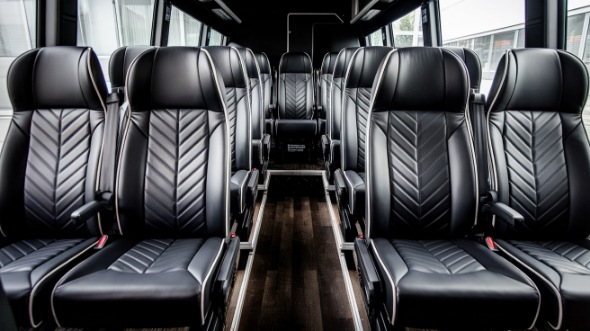
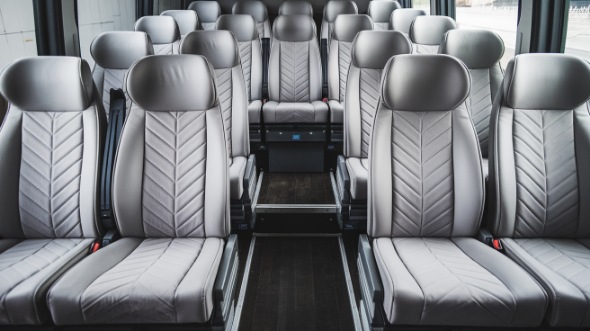
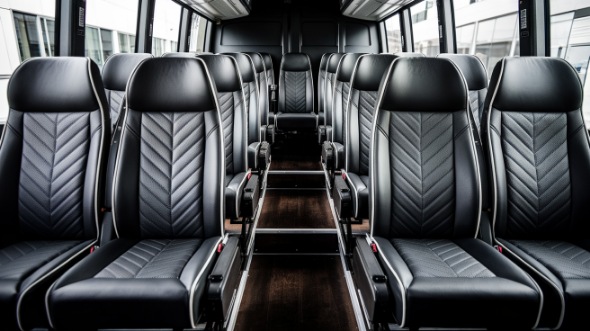
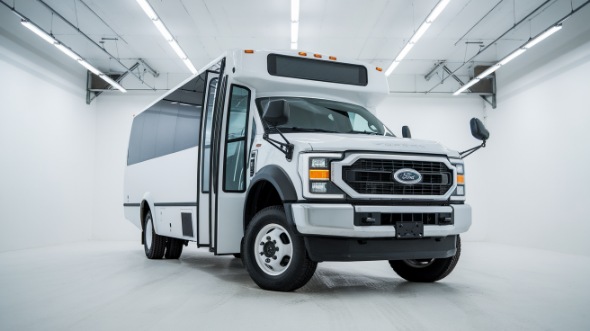
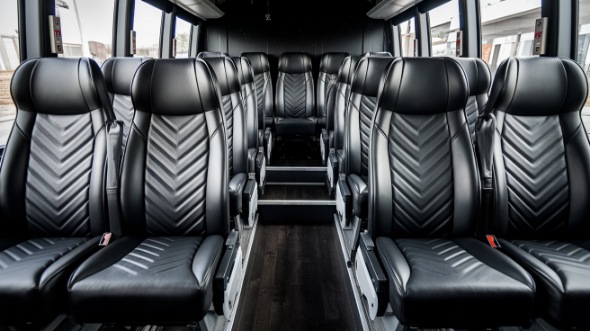
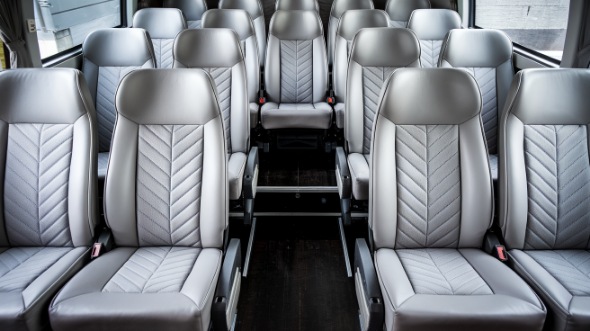
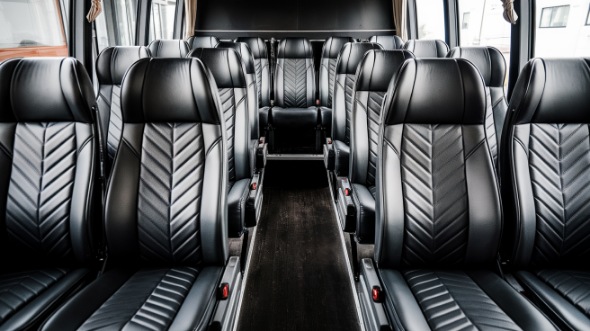
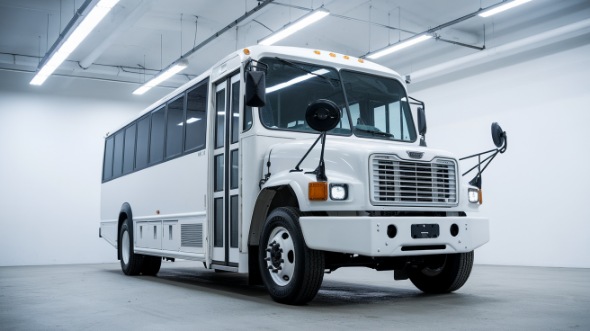
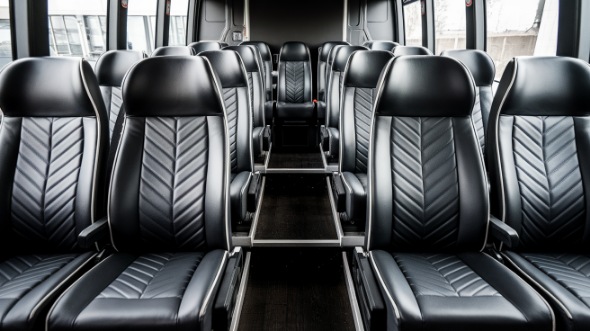
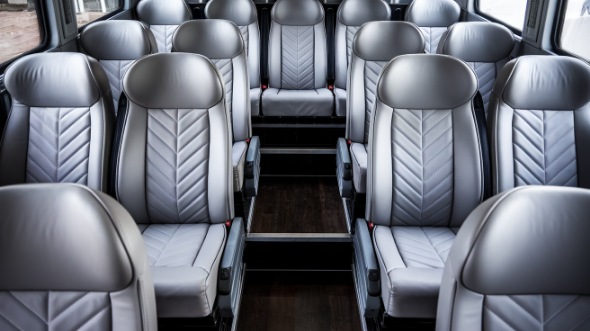
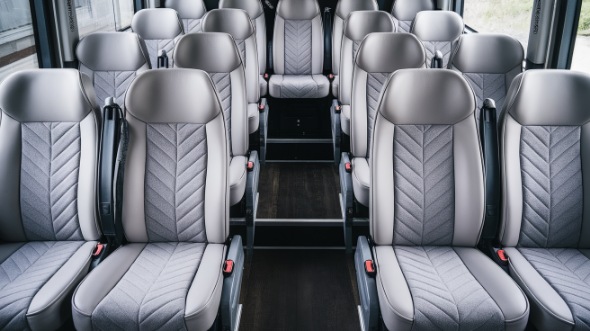
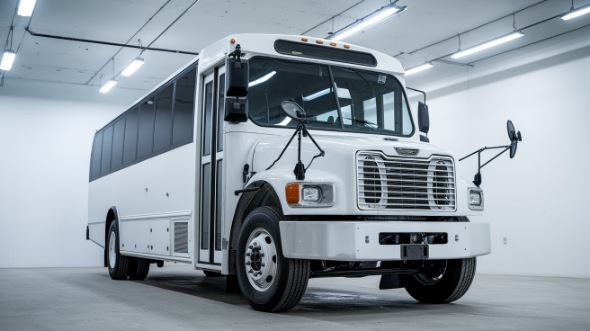
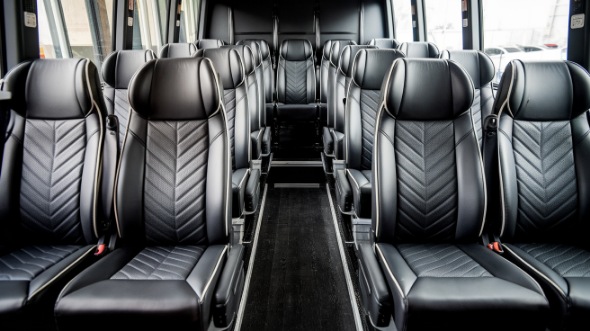
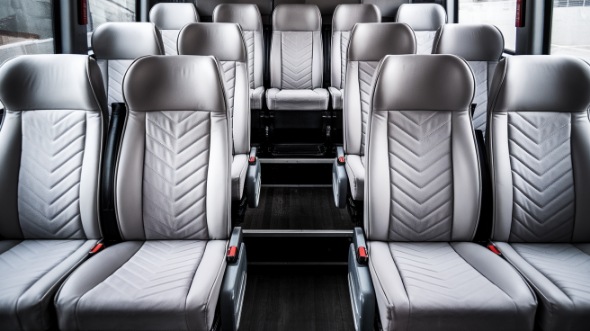
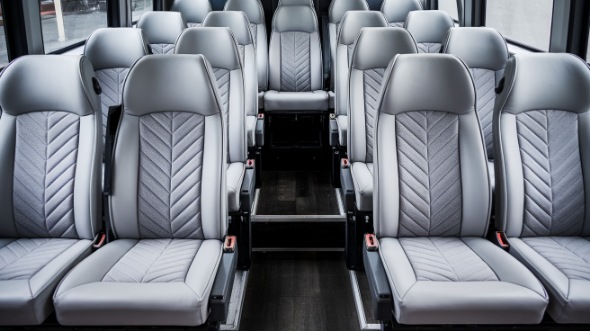
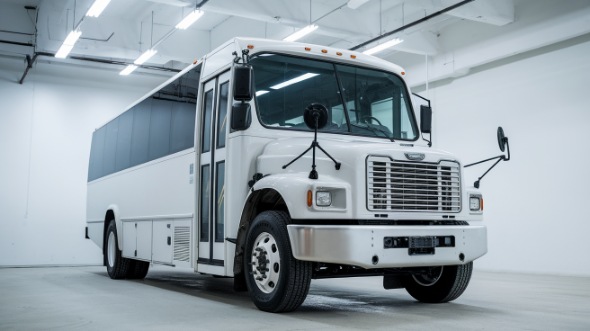
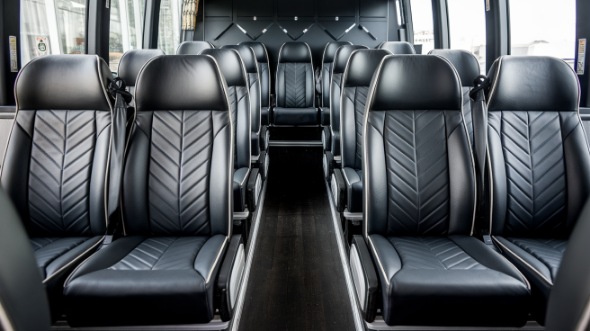
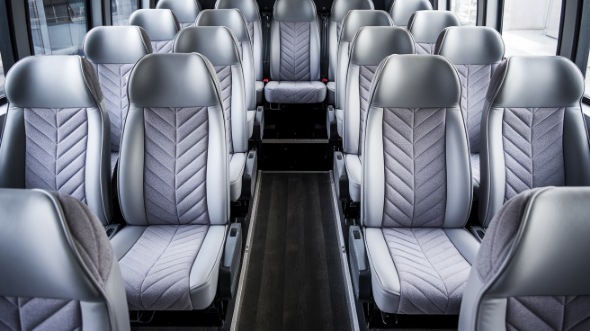
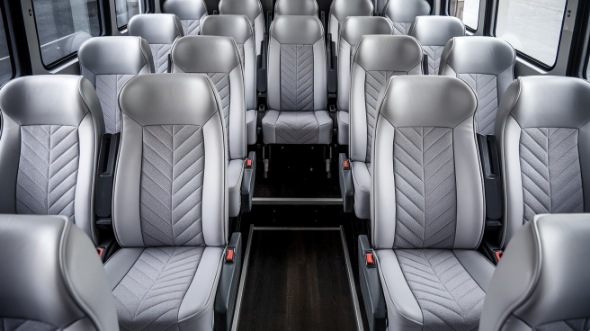
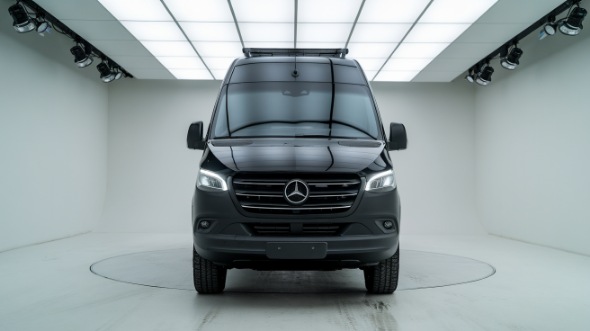
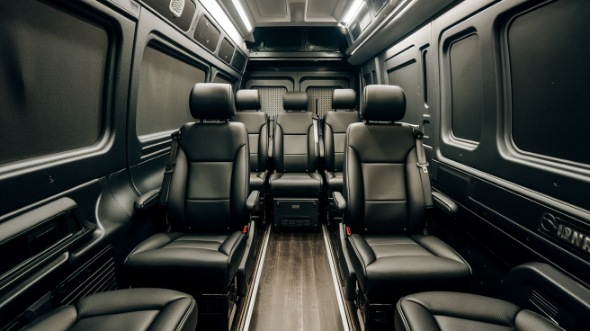
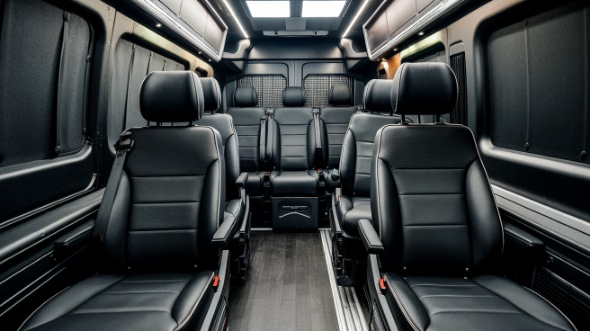
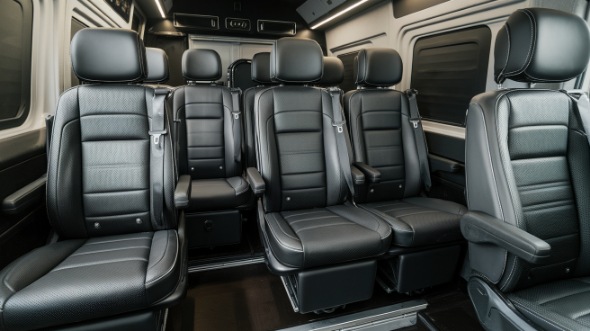
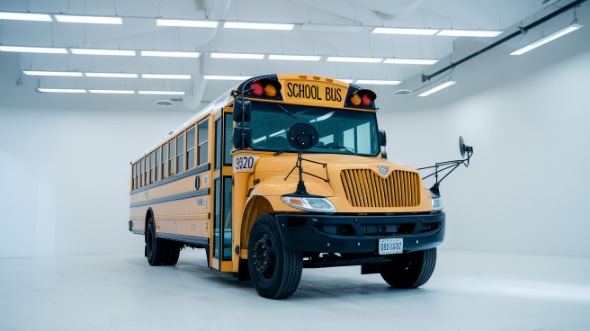
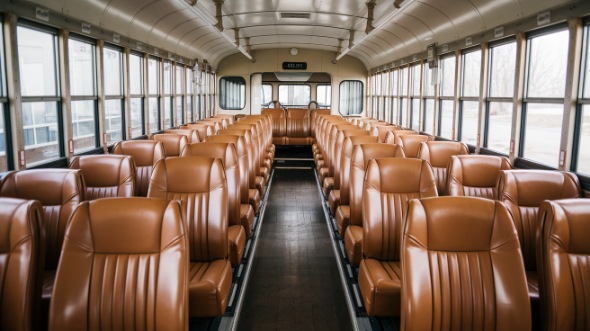
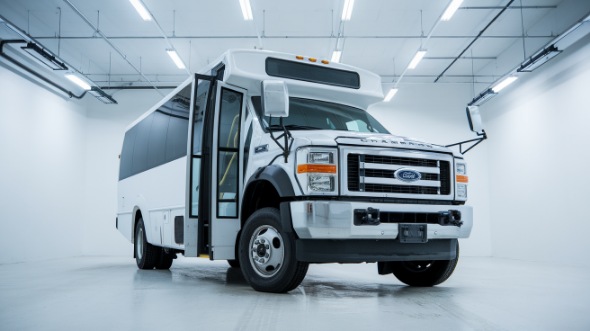
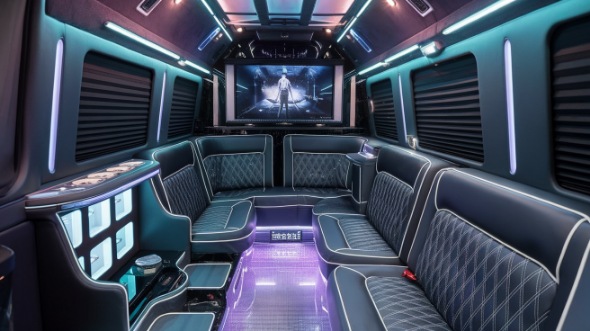
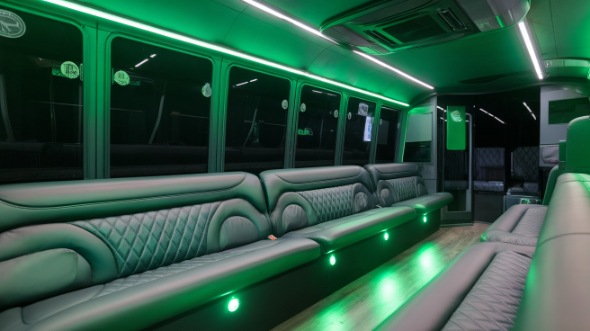
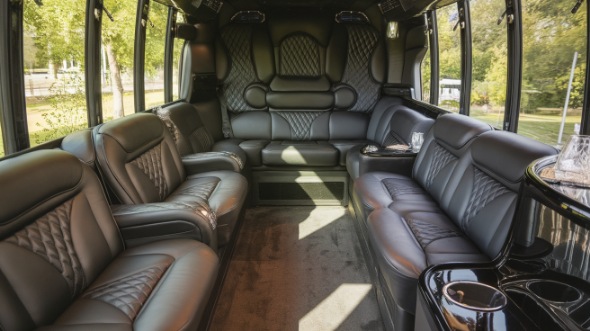
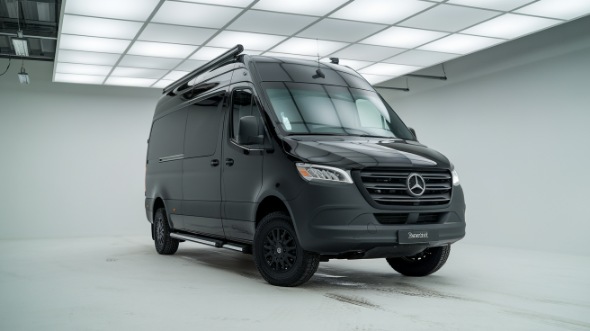
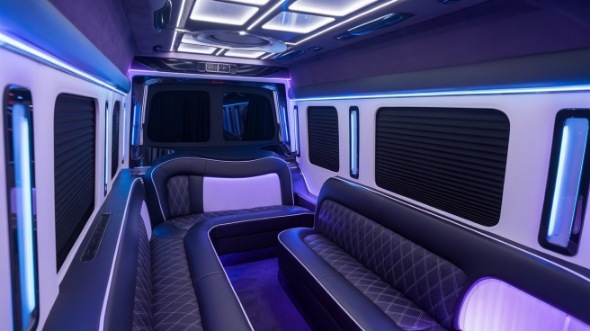
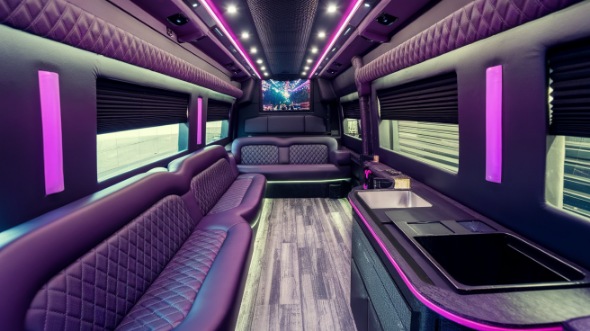
To help you budget for your upcoming Denver event, we have outlined the typical price ranges seen in the local market. Please keep in mind that these are estimates based on historical data; actual rates fluctuate based on diesel prices, driver availability during peak ski season, and major events at Empower Field at Mile High. A 56-passenger full-sized motorcoach in Denver ranges from $185 to $550 per hour, or between $1,850 and $3,700 for a full day. For smaller groups, a 35-passenger minibus costs between $155 and $460 per hour, with daily rates ranging from $1,650 to $3,500. Our most compact options, such as the 20-25 passenger minibus, usually fall between $150 and $445 per hour, or $1,600 to $3,400 per day. For local school-affiliated trips within the Cherry Creek or Denver Public Schools districts, a traditional yellow school bus remains the most budget-friendly entry point, often priced between $145 and $450 per hour.
Real-World Denver Quote Examples
Example #1: Corporate Shuttle for Tech Center Professionals. A software firm based in the Denver Tech Center (DTC) required a 35-passenger minibus to transport employees to an evening networking gala at the Denver Museum of Nature & Science. The trip involved a 4:30 PM pickup near Belleview Station, navigating the Northbound I-25 rush hour congestion, and a return trip at 9:30 PM. This 5-hour local rental was quoted at $925. This price reflects the "peak hour" premium required to incentivize drivers to navigate the heavy "Tech Center Tangle" traffic during the afternoon commute, ensuring the team arrived on time for cocktails despite the predictable delays near the University Boulevard exit.
Example #2: Wedding Guest Transportation in Lower Downtown (LoDo). A wedding party booked a 25-passenger minibus to shuttle guests between the Crawford Hotel at Union Station and a reception venue in the RiNo Art District. While the distance was less than three miles, the rental spanned six hours to accommodate multiple loops and a late-night return. The quote was $1,080. This rate is specific to Denver’s urban core, accounting for the slow-moving traffic on 15th Street and the logistical difficulty of maneuvering a commercial vehicle through the narrow, high-pedestrian areas of LoDo and the busy intersections of Park Avenue West.
Example #3: Youth Hockey Tournament at Foothills Ice Arena. A youth hockey team from Arvada needed a full-sized 56-passenger motorcoach to transport players, coaches, and heavy gear bags to a three-day tournament spanning venues in Lakewood, Littleton, and South Denver. Because the bus remained "on-call" for the team for 10 hours each day to handle shuttling between the hotel and Foothills Ice Arena, the group was quoted a daily rate of $2,100 per day, totaling $6,300 for the weekend. This price point is justified by the need for a full-sized coach with massive undercarriage storage bins specifically designed to hold oversized hockey trunks and sticks, which would not fit in a standard minibus.
Geographic and Traffic Impacts on Denver Rates
Denver’s geography plays a massive role in how we calculate your quote. Unlike flat Midwestern cities, Denver is the gateway to the Rockies, and "mountain driving" incurs different costs than "flatland driving." If your route involves taking I-70 West toward destinations like Red Rocks Amphitheatre or the mountain towns, the strain on the vehicle’s engine and braking systems, combined with the specialized CDL training required for steep grades like Floyd Hill, can result in a higher rate compared to a trip heading east toward Aurora or DIA.
Traffic patterns also dictate duration, which directly affects hourly rentals. The "mousetrap" (the intersection of I-25 and I-70) is a notorious bottleneck. If your itinerary requires passing through this junction during the morning or afternoon peak, we often recommend adding a 30-minute buffer to your rental time. Our reservation specialists use real-time traffic data to ensure your quote covers the actual time spent on the road, preventing extra overages if you get stuck behind a stalled vehicle in the central business district tunnels.
Seasonal Demand and the Denver Event Calendar
In Denver, the "Peak Season" is split into two distinct periods. The first is the traditional spring/summer window from April through June, driven by graduations at CU Boulder and Colorado School of Mines, as well as the start of the wedding season. During these months, bus availability is at its lowest, and prices are at their highest. If you are booking a bus for a Red Rocks concert in June, you are competing with hundreds of other groups, so prices reflect that demand.
The second peak is unique to Colorado: the Winter Ski Season. From late November through March, 56-passenger motorcoaches equipped with snow tires and mountain drivers are in incredibly high demand for ski transfers. Conversely, the "shoulder seasons" of late October and January (post-holidays) often see lower demand. Booking during these windows can result in significant savings. Additionally, major city-wide events like the National Western Stock Show in January or the Great American Beer Festival in the fall see a massive influx of visitors, causing a temporary spike in local charter bus rates across the entire metro area.
Regional vs. Urban Travel Considerations
The type of Denver travel you choose significantly impacts the "Position Zero" of your quote. Urban travel—trips staying within the 470-loop—is billed by the hour with a minimum time requirement. These trips are affected more by Denver’s specific parking limitations. For instance, buses dropping off at the Denver Art Museum must utilize specific zones on 14th Avenue, and parking for oversized vehicles in LoDo is nearly non-existent, often requiring the bus to "deadhead" to a remote lot near Mile High Stadium. These operational costs are factored into your hourly rate.
Regional travel, such as a trip from Denver to Colorado Springs or Fort Collins, transitions into mileage-based or daily-rate pricing. For these journeys, we primarily utilize I-25. While the distance is straightforward, we account for the "Gap" construction and variable toll lanes. If your group chooses to use the Express Lanes to save time, those costs are handled separately, but the predictability of the daily rate allows for a more stable budget for long-distance regional hauls.
How to Save Money on Your Denver Bus Rental
To secure the best possible rate in the Mile High City, we recommend a few "local-only" strategies. First, aim to start and end your trip at the same location to minimize "deadhead" (the miles a bus travels empty). If your group is staying at a hotel near Denver International Airport (DIA), booking a bus based in the northeast corridor will be cheaper than bringing in a bus from South Denver. Second, be mindful of the 10-hour federal driving limit. If your trip to the mountains lasts 12 hours, you will need to pay for a second driver or a hotel room for the primary driver. Streamlining your mountain itinerary to stay within a 10-hour window can save you hundreds of dollars.
Third, take advantage of Denver’s "off-peak" days. Most weddings and corporate galas happen on Fridays and Saturdays. If you can schedule your corporate retreat or field trip for a Tuesday or Wednesday, you will find much more flexibility in pricing. Finally, always verify your passenger count before booking. In Denver’s tight streets, a 35-passenger minibus is much easier to maneuver (and cheaper to fuel) than a 56-passenger coach. If you only have 30 people, don't pay the "mountain-grade" fuel premium for a bus size you don't need.
Get Your Instant Denver Bus Quote Today
Ready to see the actual numbers for your trip? Our team is standing by to provide a transparent, all-inclusive breakdown of your Denver charter bus costs. We combine local expertise with a massive network of over 12,000 vehicles to ensure you get the right ride at the right price.
Call 720-452-8295 now for a free, no-obligation quote or to discuss your specific Denver logistics with an expert.
Frequently Asked Questions About Denver Pricing
How much does a charter bus cost for a day trip to Red Rocks?
A typical 8-hour rental for a Red Rocks concert or event usually ranges from $1,400 to $1,900 depending on the vehicle size. This includes the time needed to navigate the steep climbs into Morrison and the waiting time in the Lower South Lot or the dedicated bus parking area. Prices may be higher for "sold out" show dates when regional demand is at its peak.
Why are Denver bus prices higher during the winter months?
Unlike many other cities, Denver sees a surge in demand during winter due to the ski industry. Motorcoaches must be winterized, equipped with specialized tires or chains, and operated by drivers with high-altitude reliability. This specialized equipment and expertise, combined with the high demand for mountain transfers from DIA, drives up the market rate during the snow season.
Do I have to pay for the bus to park at the Colorado Convention Center?
While the initial quote covers the rental of the bus and the driver, actual parking fees at venues like the Colorado Convention Center or Ball Arena are the responsibility of the group. Many groups save money by having the driver drop them off at the designated shuttle bus lane on 14th Street and then having the driver park at a less expensive off-site lot until the event concludes.
Is it cheaper to rent a bus from the airport or from downtown Denver?
Pricing usually depends on where the bus is physically garaged. However, because DIA is located about 25 miles northeast of downtown, starting a trip at the airport often incurs more mileage. If your group is already downtown, it is more cost-effective to book a bus with a downtown or central Denver dispatch point to avoid paying for the "deadhead" miles from the airport corridor.
How far in advance should I book to get the lowest price in Denver?
For the best rates, we recommend booking 4 to 6 months in advance, especially if your trip falls during the June wedding season or the January stock show. Booking early allows us to lock in your rate before the local fleet reaches capacity, which is when "surge" pricing takes effect in the Denver market.
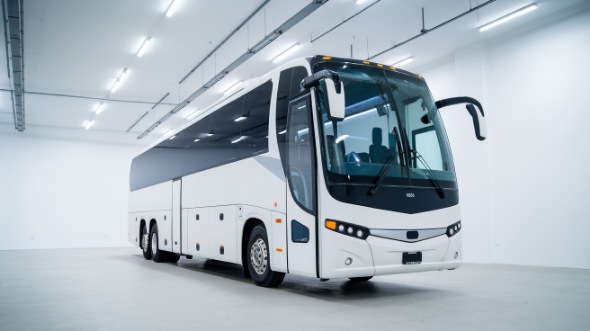
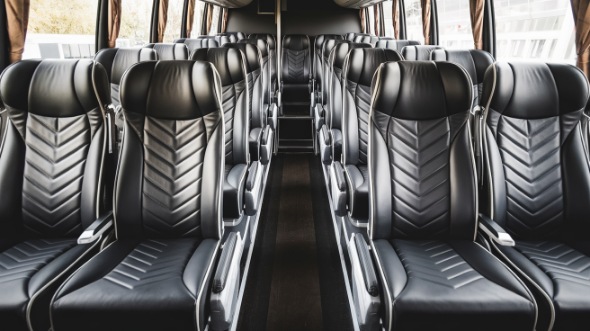
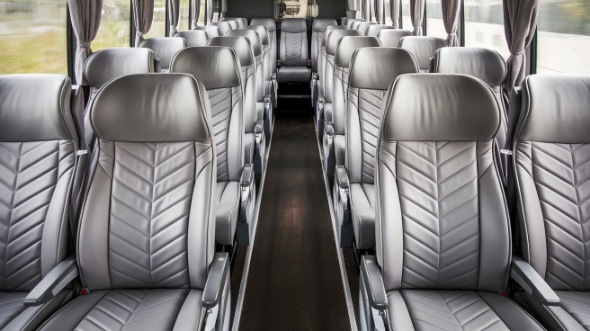
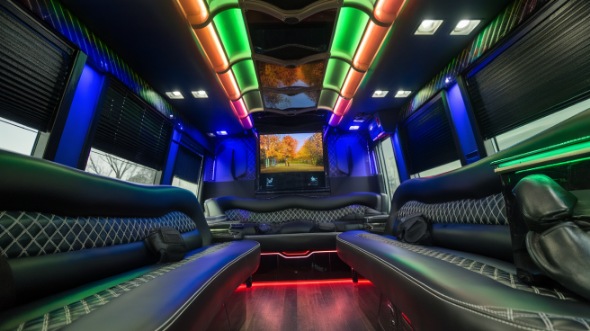
Bus types Available in Denver
More About Group Travel in Denver

We’re available everyday from 7am to midnight!